Figures 1-5.
The first 5 figures are a series demonstrating the beneficial effects of interplanting N-fixing red alder and Douglas-fir in a temperate rain forest in SW Washington state. The U.S. Forest service planted seedlings of both trees around 1930 following a devastating wildfire. The alder-fir mixture was limited to a narrow strip intended to serve as a fire break. By the time these photos were taken (1990's) the alder had been almost entirely overtopped and replaced by the Douglas-fir, but the N contributed by the alder through the years continues to have very profound effects on promoting the growth of the Douglas-fir.
 Figure 1. Aerial view showing a prominent green strip where the Douglas-fir
has been interplanted with alder.
Figure 1. Aerial view showing a prominent green strip where the Douglas-fir
has been interplanted with alder.
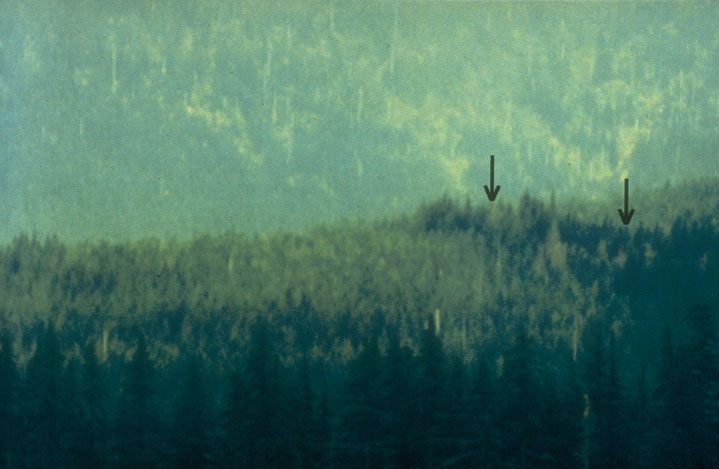 Figure 2. The arrows indicate a landscape view of the taller trees in the
narrow strip (arrows) where alder was interplanted.
Figure 2. The arrows indicate a landscape view of the taller trees in the
narrow strip (arrows) where alder was interplanted.
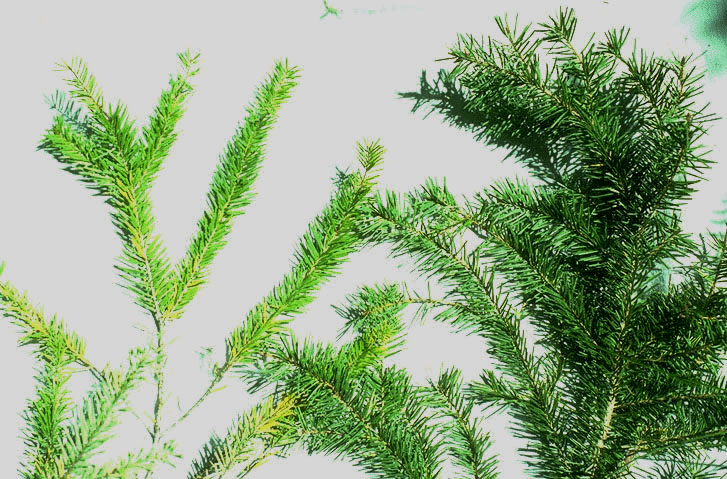 Figure 3. Typical view of Douglas-fir foliage from the alder interplanting zone
(right) compared to foliage from an area immediately outside the interplanting.
Figure 3. Typical view of Douglas-fir foliage from the alder interplanting zone
(right) compared to foliage from an area immediately outside the interplanting.
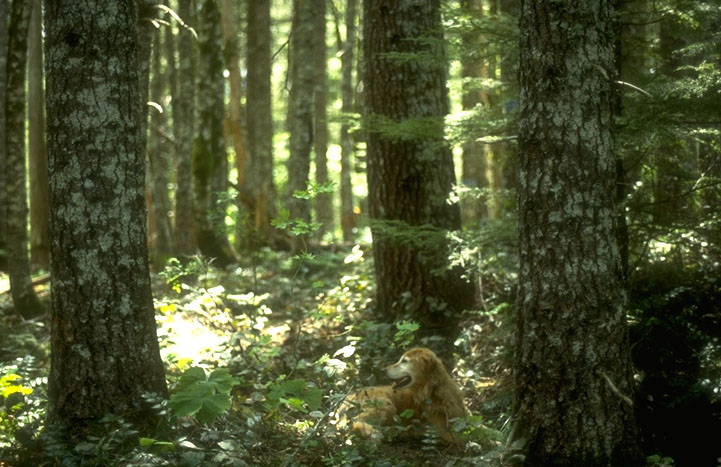 Figure 4. General view of tree size (Douglas-fir) of stand that developed with
alder interplanting.
Figure 4. General view of tree size (Douglas-fir) of stand that developed with
alder interplanting.
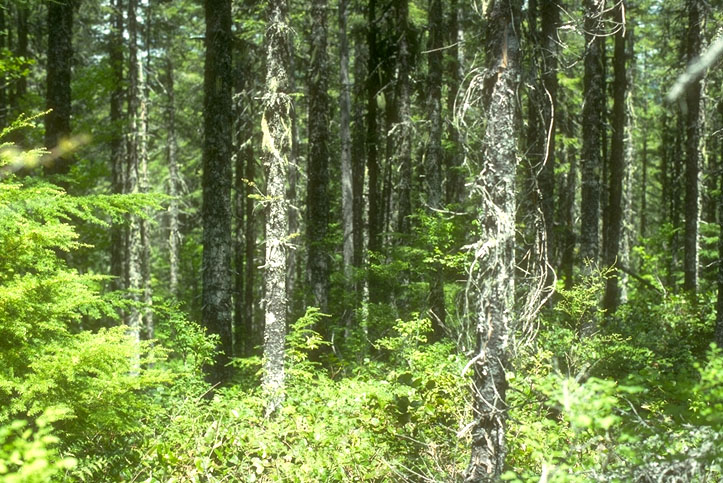 Figure 5. General view of tree size (Douglas-fir) of stand that developed in an
area immediately outside the interplanting.
Figure 5. General view of tree size (Douglas-fir) of stand that developed in an
area immediately outside the interplanting.
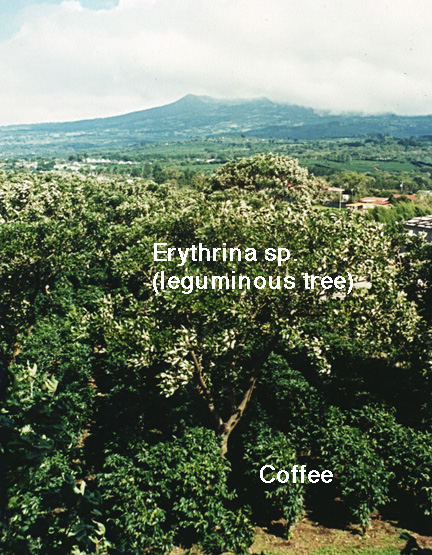 Figure 6. Interplanting of Erythrina, a leguminous tree, in a coffee plantation in the central highlands of Costa Rica. The tree provides shade as well as beneficial N for the coffee crop.