 Humanities 211
Beginning with the cultural and intellectual entanglements of the Christian and Islamic worlds in the Middle Ages, this course examines how Europeans’ understanding and experience of the world they inhabited were transformed between the thirteenth and sixteenth centuries. Through readings of authors such as Ibn Tufayl, Averroës, Dante, Machiavelli, Diaz, Luther, Rabelais, Marguerite de Navarre, and Montaigne, we will explore how the momentous social, cultural, political, religious, philosophical, literary, and artistic developments of this period—encounters with non-Christians in the Mediterranean and Atlantic worlds, the emergence of new genres in the literary and visual arts, and the social and religious upheaval of the Protestant Reformation—provoked a period of crisis and creativity that transformed the complex legacies of the ancient world. In particular, we will study how the reconfigured understandings of humanity’s relationship to nature, society, and the divine challenged assumptions about political, intellectual, religious, and gendered authority.
Humanities 212
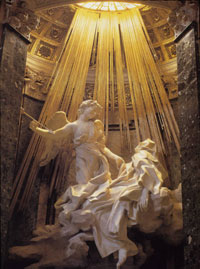
In the wake of the political, religious, and cultural upheavals in the sixteenth and seventeenth centuries, Europeans pursued new forms of knowledge, literary and artistic expression, social and religious life, and domestic and political authority. In doing so, however, they also provoked new questions about the individual’s relationship to God, nature, family, and polity. By examining the writings of authors and artists such as Shakespeare, Teresa of Avila, Cervantes, Artemisia Gentileschi, Galileo, Descartes, Molière, Hobbes, and Milton, this course will examine topics such as the Counter-Reformation, the development of philosophical skepticism, the so-called Scientific Revolution, Mediterranean encounters with the Ottoman Empire, and the ongoing tension between absolute monarchy and constitutional government.