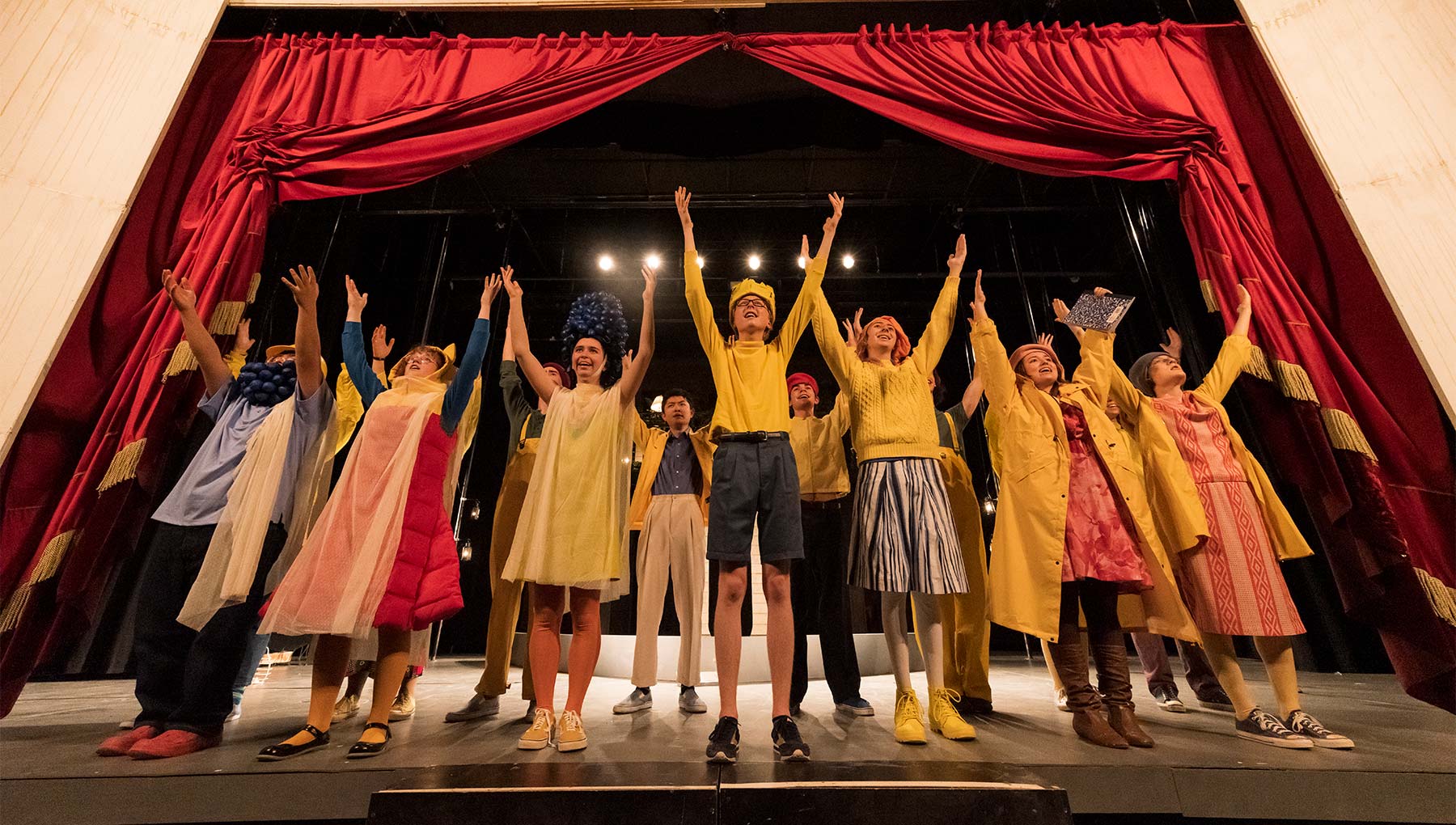
Theatre is essential to the liberal arts. The focus of our program is reading, studying, and making plays and performance. We believe that with each play we study or perform, we learn about a different world, and delve into that world's cultural values, social and religious practices, gender roles, race relationships, and political debates. Engaged in this way, Theatre is among the most successful disciplines at providing a truly interdisciplinary liberal arts experience.
Reed's Theatre Department mirrors the college's liberal arts mission. We believe that Theatre students should have a broad education in theatre history, theory, and practice. All Theatre majors are required to have coursework and production experience both onstage and backstage, and all majors are required to take classes in theatre history, directing, acting, performance studies, and design, as well as a variety of electives. We offer additional coursework in dramaturgy, design, playwriting, gender and theatre, race and performance, and translation and adaptation. Most of our classes, and all of our productions, are open to both majors and non-majors, and each year our productions involve many students from across campus in all aspects of production, from working on costume creation in the costume shop to being a stage manager backstage or a performer onstage. Like all seniors in the College, Reed Theatre seniors carry out a yearlong written thesis project. Most students elect to supplement their written thesis with production work of some kind, pending department approval of the size and scope of the project. The faculty work as theatre professors and also as collaborative artists/producers who produce a full season of student, staff, and faculty work in the Performing Arts Building.
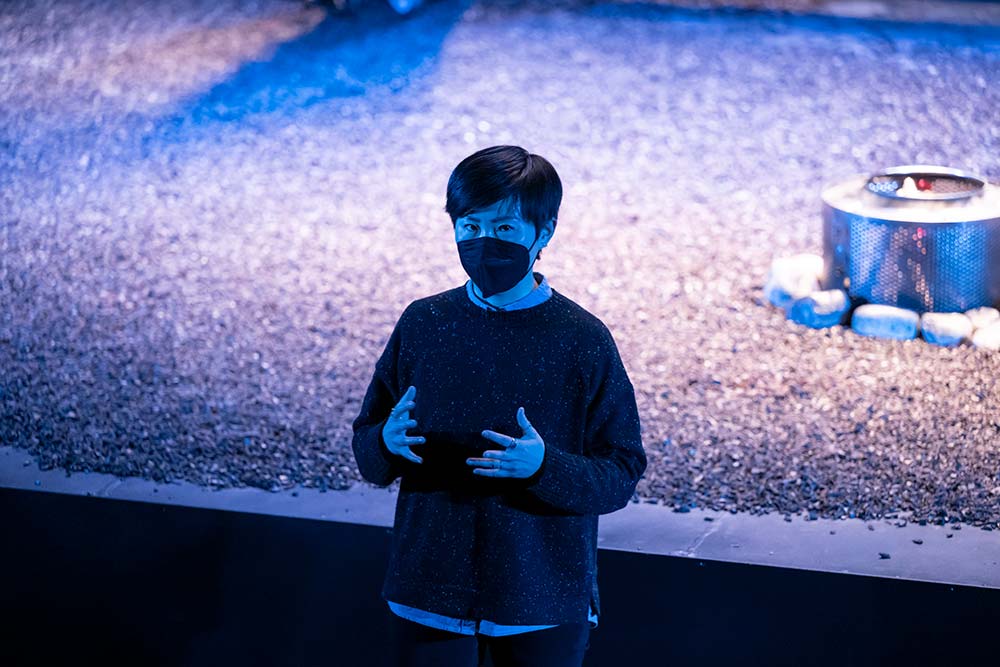
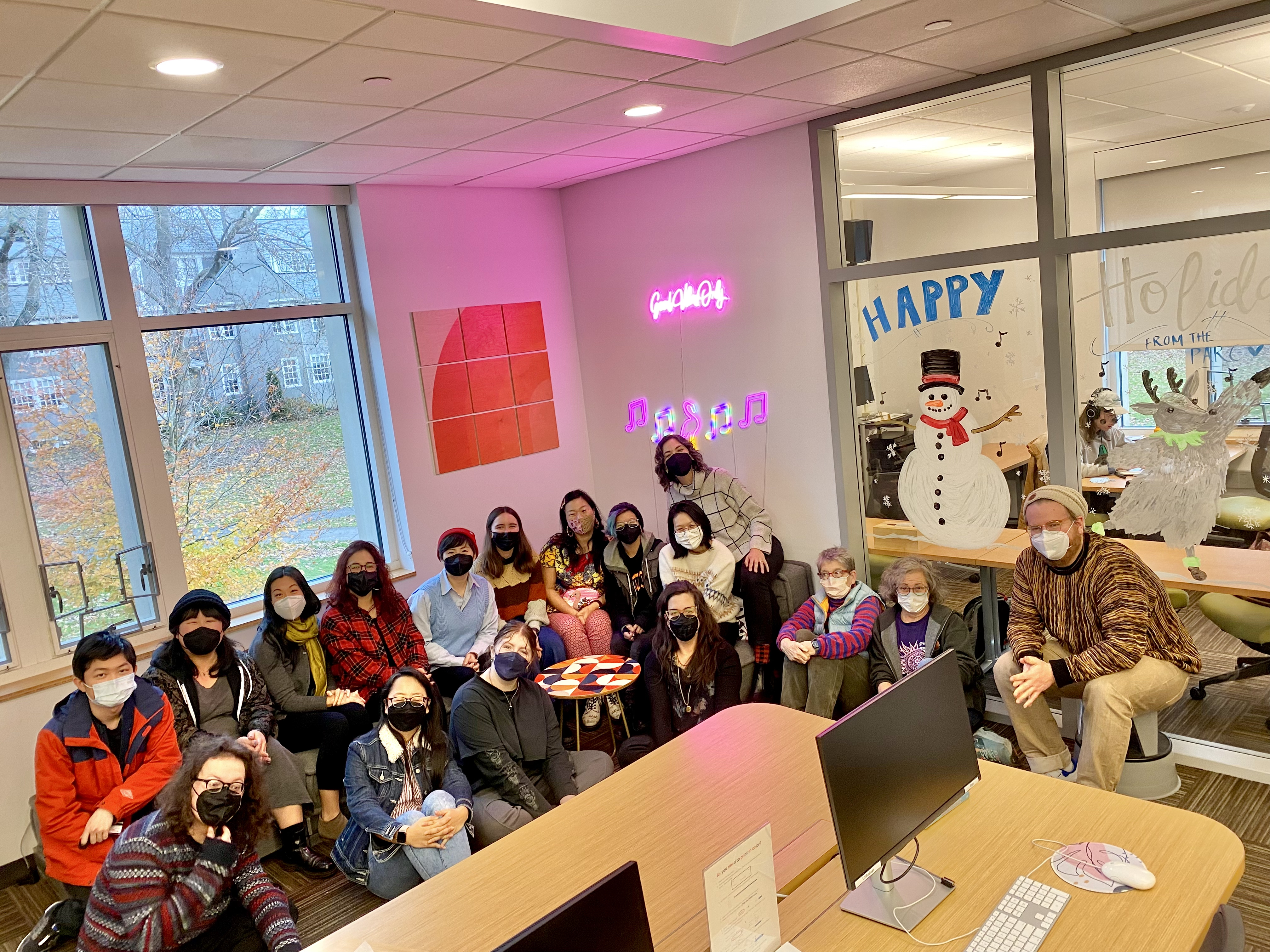
Our department serves students from across the college. Each year we have a vibrant group of majors in Theatre, interdisciplinary majors in Theatre/Literature and Theatre/Dance, and ad hoc interdisciplinary majors in subjects such as Theatre/Anthropology and Theatre/Biology. We teach classes that are part of the Comparative Race and Ethnic Studies (CRES) program. We offer a Theatre minor, which students can complete by taking five courses in the department. The Reed Independent Performance Project (RIPP) is a classroom laboratory for student-led performance and production. Theatre engages both the mind and body, and many students—both majors and non-majors—thrive in the community environment that is Reed Theatre.
Reed Theatre is a community dedicated to creative and scholarly excellence, and an environment in which students, faculty, and staff can fully participate, regardless of ethnicity, race, religion, age, gender identity, sexual orientation, nationality, socio-economic status, or disabilities. Performers of all abilities, gender identities, and ethnic and racial backgrounds are welcome and encouraged to audition and participate.
Production Season
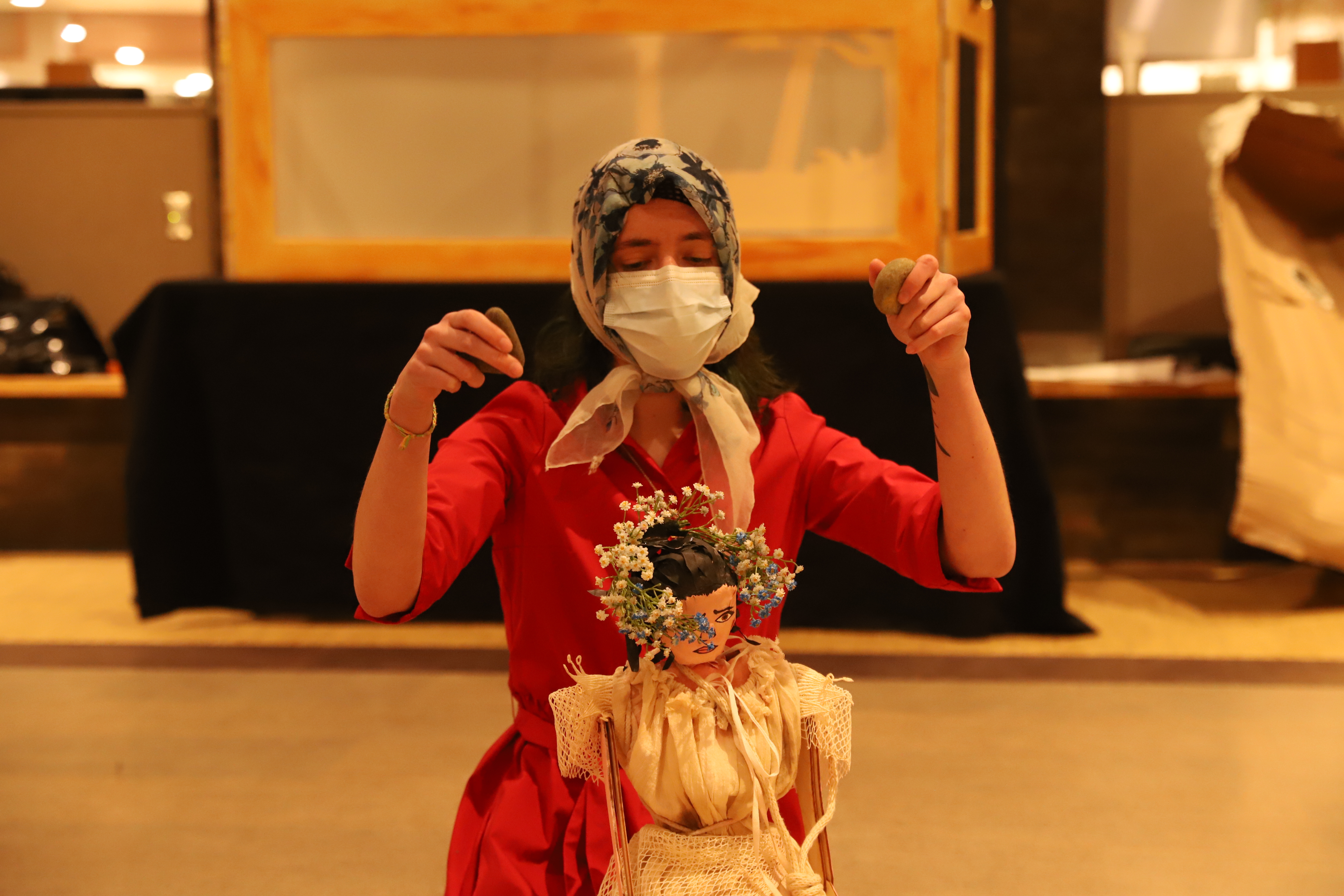
Our production season features a variety of student and faculty artistic work. Productions include those directed by faculty, senior-directed thesis productions, guest artist productions, and a variety of scenes staged by directing and devising classes. The end of each Playwriting class culminates in a public staged reading of new work. In advance of senior thesis production work, juniors take on major production roles in the area in which they plan to focus their thesis research. Additional class projects in acting, theatre history, performance studies, puppetry, and gender and theatre provide more opportunities for students to see and make artistic work.
Recent faculty productions include Veronica Tjioe's The Last Croissant, Reed alum Anne Washburn's Mr. Burns, A Post-Electric Play, Maria Irene Fornes' Fefu and Her Friends, and Stephen Sachs' adaptation of Claudia Rankine's Citizen. Recent student thesis productions include Caryl Churchill's Blue Heart, Griselda Gambaro's Antigona Furiosa--performed in Reed's Commons cafeteria, a workshop exploring virtual reality theatre through the story of The Little Prince, Marguerite Duras' Savannah Bay, the devised song cycle The Last to Go (Reprise), an installation performance called Home, the original musical last night (at the dyke bar), and multiple new plays written by student playwrights.
Student thesis work has also focused on live cinema, costume design and cyborgs, horror theatre, devising, disability studies, immersive scenographic experience, an exploration of race in the American musical, stage design for the Richard Strauss opera Salomé, sound design, theatre and the metaverse, a theatre history approach to the role of women in commedia dell'arte, a performance studies analysis of Beyoncé and critical whiteness, and an interdisciplinary thesis in Theatre and Anthropology on gender and the Portland mental health system.
In 2020-22 during the early phases of the Covid-19 pandemic, we continued to produce a full season of work directed by students, faculty, and guest artists, including Eugene Ionesco's Rhinoceros (
Guest Artists and Scholars
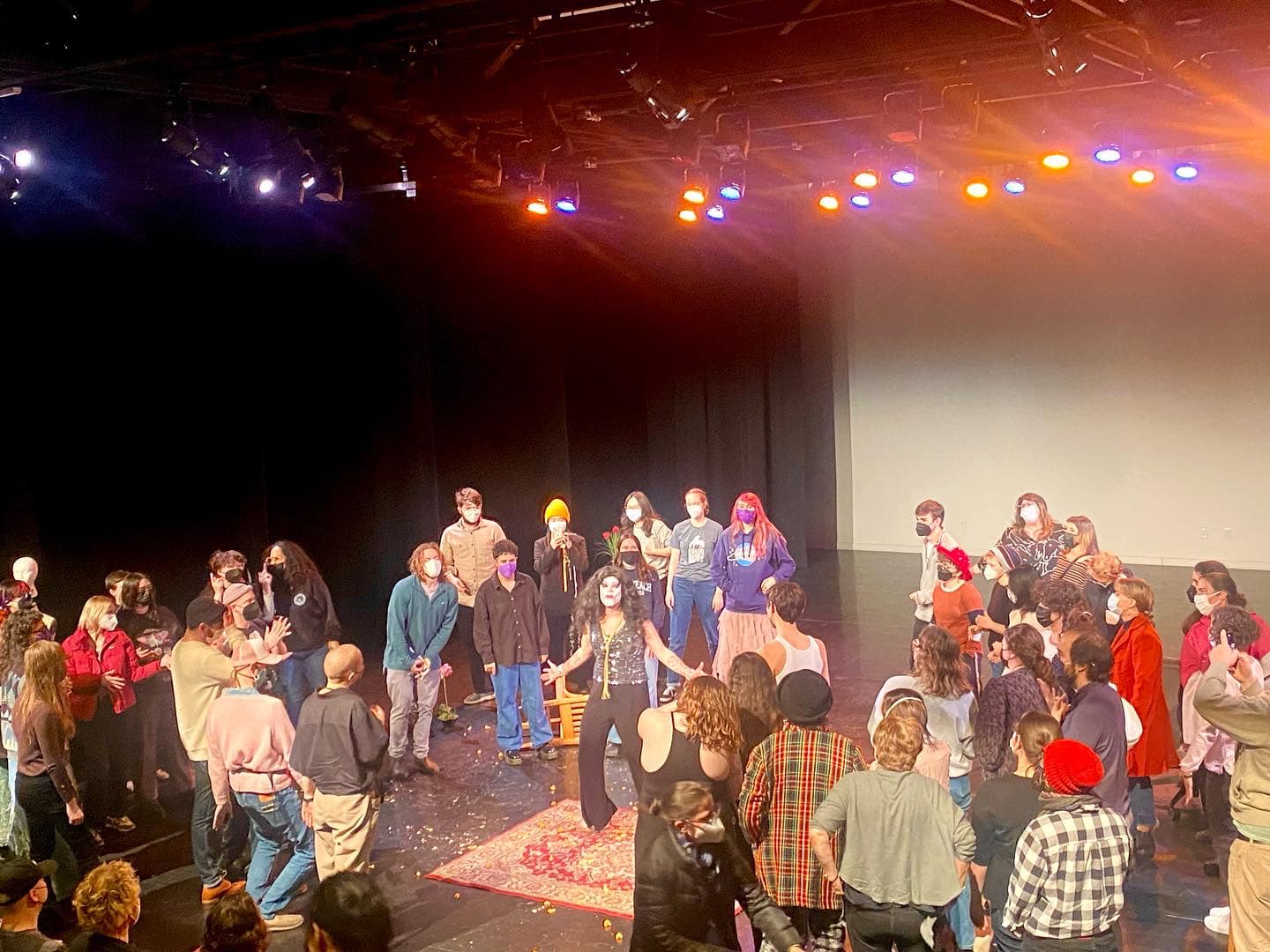
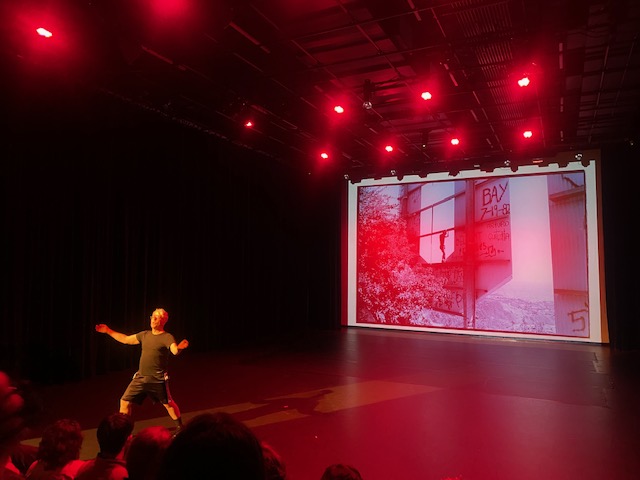
Reed Theatre regularly welcomes guest artists and scholars to the department to present work, give talks, and offer workshops. Recent guests have included Tim Miller, Anthony Hudson, Vanport Mosaic, Veronica Tjioe, Cornerstone Theatre, Split Britches, Larissa FastHorse, Daniel Alexander Jones, Pepper Pepper, A. Rey Pamatmat, Victor Cazares, Sylvan Oswald, Lars Jan, Brian Herrera, Jorge Huerta, madison moore, Michael Rohd, Lue Douthit, Anne Washburn, Universes, Meredith Monk, Anne Bogart, Philip Kan Gotanda, and Max Voltage. Reed Theatre enjoys collaboration with the Portland theatre community, including projects and interactions with Portland Institute for Contemporary Art, Portland Experimental Theatre Ensemble, Fuse Theatre Ensemble, the Risk/Reward Festival, Profile Theatre, the August Wilson Red Door Project, and Portland Playhouse, among others. We regularly host Bread and Puppet Theater on their West Coast tours.
Performing Arts Building
Since Fall 2013, the Theatre department has inhabited Reed's new Performing Arts Building (PAB), which Theatre shares with the departments of Music and Dance. In the PAB, there are two flexible theatre spaces in which we produce: the 180-seat Diver Studio Theatre, and the 99-seat Black Box. The building also features a performance laboratory, a dedicated rehearsal room, a design studio, a scene shop, costume shop, and multiple classrooms. The building is designed to be energy efficient, boasts ample common spaces for collaborative work, a rooftop garden, art exhibition spaces, and has a wide atrium to welcome the campus and Reed communities. For more information about the development of this exciting project, which broke ground in 2011, please see this article in Reed Magazine.
The Costume Shop has an Instagram! To follow their work throughout the year, follow them at @Reedcollegecostumeshop.
Sustainability
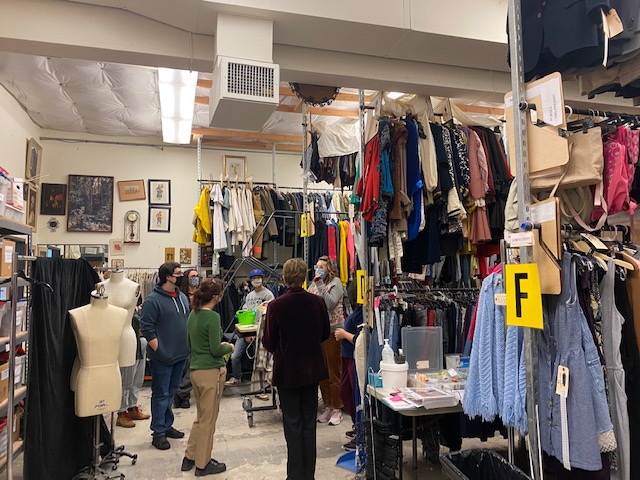
Reed Theatre is committed to sustainability. In our costume and scene shops, we prioritize the use of stock furniture, costumes, and props; we work with a network of local theatres and schools to share resources. We avoid the use of spray paint and use eco-friendly scenic paints whenever possible. We are committed to recycling shop and classroom materials, and reuse platforms and flats whenever possible--using some for decades. In our classrooms, we strive to discuss use and waste as part of conversations about design and theatre history. We serve mainly plant-based catering at department events. We are delighted to work in our Earth Advantage certified Performing Arts Building, with our eco-roof with 100% native Oregon plants; our building features 100% on-site storm water management, solar panels on the roof, and, inside, daylight sensor-controlled lighting. Reed Theatre is eager to continue brainstorming ways to increase our commitment to sustainability and be part of larger conversations in our field about this issue.
Faculty and Staff
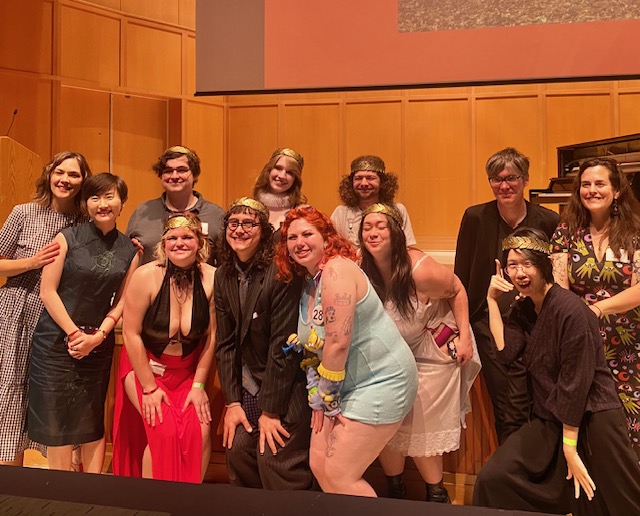
The department is staffed by theatre scholars and professional artists. Kate Bredeson (she/her theatre history and literature, dramaturgy, playwriting, directing, gender and theatre) is a theatre historian, director, and dramaturg. Kate researches and writes about the ways that theatre can support protest and activism. Her dramaturgy practice focuses on new work, choreography, and dance. Kate Duffly (she/her acting, directing, race and American theatre, performance studies) is a scholar-director whose research and artistic work focuses on socially-engaged performance; she has had the opportunity to collaborate with acclaimed community-based theatre companies like Cornerstone Theater in Los Angeles and Bread and Puppet Theater in Vermont. Peter Ksander (he/him set, lighting, and sound design) is an Obie-winning stage designer who has worked internationally, and served as a curator for the Ontological Hysteric Incubator / the Incubator Arts Project in NYC. Jenna Tamimi (she/her Performance Studies, theatre history and theory, gender and theatre, directing) is a scholar-director whose research and artistic work focus on radical reimaginings of classics and minoritarian embodiments of the past as performance. Barbie Wu (she/her acting, directing, and text analysis) is a professional actor born and raised in Taiwan and a resident artist at Artists Repertory Theatre. Alissa Warren (she/her costume shop director) is a theatre artist and educator with 20 years experience in theatrical costume construction and Apparel Design education. Rusty Tennant (they/them technical director) is a multi-faceted theatre artist whose work has focused on sustainability and resource utilization as creative inspirations. Charlie Wilcox '16 (he/him faculty administrative coordinator) facilitates the logistical functioning of the academic and production program and, as an artistic practitioner, is a stop-motion animator, embroiderist, writer, tubist, and filmmaker.
Song "Still the Same" by Pepper Jelly (Hadley Parrish-Cotton '20, August Bicket '21, Emmett Powers '21 and Lizzy Knight '21), performed by August Bicket and Lizzy Knight.